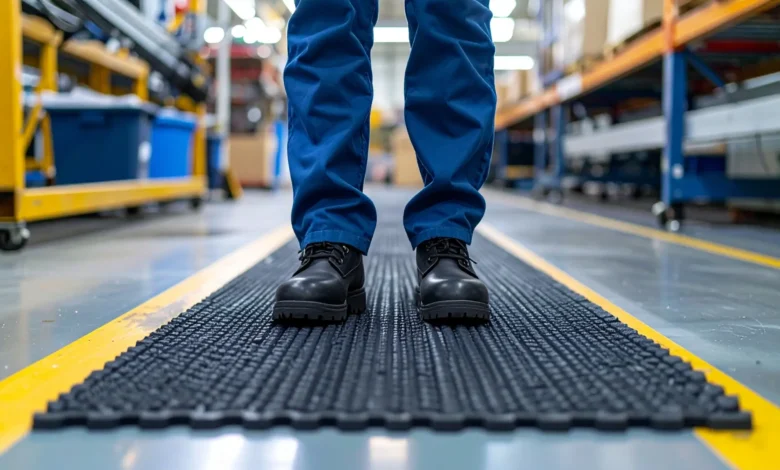
Safety mats are essential protective equipment used in workplaces and facilities where slip, trip, and fall hazards exist. These mats function by absorbing impact and providing surface traction to prevent accidents. They contribute to workplace safety, improve operational efficiency, and help organizations meet legal health and safety requirements.
Industries including manufacturing, healthcare, and hospitality benefit significantly from safety mat installation, as these products reduce injury-related incidents and associated costs. Safety mats are manufactured from different materials and designed with varying specifications to address specific workplace conditions. Some mats are constructed to handle high-volume foot traffic, while others are engineered for specialized purposes such as electrical hazard protection or chemical resistance.
Selecting appropriate safety mats requires understanding the available options and their suitability for particular environments. This article examines the main categories of safety mats, their characteristics, advantages, and practical uses across different industries and settings.
Anti-Fatigue Mats
Anti-fatigue mats from AMCO safety mats are specifically designed to alleviate the discomfort associated with prolonged standing. In environments such as assembly lines, retail counters, and kitchens, employees often find themselves on their feet for extended periods. This can lead to fatigue, discomfort, and decreased productivity.
Anti-fatigue mats work by providing a cushioned surface that encourages subtle movements in the legs and feet, promoting better blood circulation and reducing strain on the body. These mats are typically made from materials like foam or rubber, which offer varying degrees of cushioning and support. For example, a high-density foam mat may provide excellent shock absorption while also being durable enough to withstand heavy foot traffic.
Some anti-fatigue mats even feature ergonomic designs that contour to the shape of the feet, further enhancing comfort. In addition to improving employee well-being, these mats can lead to increased productivity as workers feel more energized and focused throughout their shifts.
Slip-Resistant Mats
Slip-resistant mats are crucial in environments where wet or oily conditions are common, such as kitchens, bathrooms, and industrial settings. These mats are engineered with textured surfaces that provide enhanced grip, significantly reducing the risk of slips and falls. The materials used in slip-resistant mats often include rubber or vinyl, which not only offer traction but also resist water and other liquids that could create hazardous conditions.
In addition to their functional benefits, slip-resistant mats come in various designs and colors, allowing businesses to maintain aesthetic appeal while prioritizing safety. For instance, a restaurant may choose brightly colored mats that not only stand out but also complement the overall decor while ensuring that staff and customers remain safe from potential accidents. Furthermore, many slip-resistant mats are easy to clean and maintain, making them practical choices for high-traffic areas where hygiene is paramount.
Electrical Safety Mats
Electrical safety mats are specialized products designed to protect workers from electrical hazards in environments where electrical equipment is used or maintained. These mats are made from insulating materials that prevent electrical currents from passing through, thereby reducing the risk of electric shock. Commonly used in electrical substations, power plants, and maintenance areas, these mats are essential for ensuring the safety of personnel working near live electrical circuits.
The effectiveness of electrical safety mats is often measured by their dielectric strength, which indicates the maximum voltage the mat can withstand without conducting electricity. High-quality electrical safety mats can have dielectric strengths ranging from 20 kV to over 40 kV, making them suitable for various applications. Additionally, these mats are typically designed with bright colors or warning labels to alert workers to potential hazards.
Regular inspection and maintenance of electrical safety mats are crucial to ensure their continued effectiveness and compliance with safety standards.
Fire-Resistant Mats
Fire-resistant mats are designed to withstand high temperatures and resist ignition from flames or hot materials. These mats are particularly important in environments such as welding shops, laboratories, and Bassendean restaurants and kitchens where there is a risk of fire hazards. Made from materials like fiberglass or specialized fire-retardant rubber, fire-resistant mats provide a protective barrier that can help prevent fires from spreading and protect workers from burns.
In addition to their protective qualities, fire-resistant mats often undergo rigorous testing to meet industry standards for fire safety. For example, they may be subjected to flame tests that assess their ability to resist ignition and limit flame spread. Businesses that prioritize fire safety can benefit from using these mats not only for compliance with regulations but also for fostering a culture of safety among employees.
By providing a safer working environment, companies can reduce the likelihood of accidents and associated costs.
Chemical-Resistant Mats
Chemical-resistant mats are essential in environments where hazardous substances are handled or stored. These mats are designed to withstand spills from various chemicals without degrading or losing their protective properties. Commonly used in laboratories, manufacturing facilities, and chemical processing plants, these mats help prevent slips caused by spills while also protecting the underlying flooring from damage.
The materials used in chemical-resistant mats vary depending on the specific chemicals they are designed to resist. For instance, some mats may be made from nitrile rubber or PVC, which offer excellent resistance to oils and solvents. Others may be constructed from polyethylene or polypropylene for superior resistance to acids and bases.
It is crucial for businesses to select the appropriate chemical-resistant mat based on the specific substances present in their environment. Regular inspections and maintenance of these mats are also necessary to ensure they remain effective over time.
Anti-Static Mats
Anti-static mats play a vital role in environments where static electricity can pose risks to sensitive electronic equipment or components. These mats are designed to dissipate static charges safely, preventing damage to electronic devices during handling or assembly processes. Commonly used in electronics manufacturing facilities, computer repair shops, and laboratories, anti-static mats help protect both personnel and equipment from static-related incidents.
Typically made from materials such as vinyl or rubber infused with conductive fibers, anti-static mats create a controlled environment that minimizes static buildup. Many anti-static mats also feature grounding options that allow them to be connected to an electrical ground point, further enhancing their effectiveness in dissipating static charges. In addition to their functional benefits, these mats often come in various colors and designs to suit different workspaces while maintaining a professional appearance.
Conclusion and Choosing the Right Safety Mat
Selecting the right safety mat involves considering several factors specific to the environment in which it will be used. Understanding the unique hazards present in a workplace is crucial for making an informed decision about which type of mat will provide the best protection. For instance, a busy kitchen may require slip-resistant and anti-fatigue mats to ensure staff comfort while preventing accidents due to spills.
Conversely, an electronics manufacturing facility would benefit most from anti-static and chemical-resistant mats to safeguard sensitive equipment. Additionally, businesses should consider the durability and maintenance requirements of safety mats when making their selection. High-quality mats may have higher upfront costs but can offer long-term savings through reduced injury rates and lower replacement frequency.
Regular inspections and adherence to manufacturer guidelines for cleaning and maintenance will also extend the lifespan of safety mats while ensuring they continue to perform effectively. Ultimately, investing in the right safety mat is not just about compliance with regulations; it reflects a commitment to employee well-being and operational efficiency. By prioritizing safety through thoughtful mat selection, businesses can create a safer work environment that fosters productivity and reduces the risk of accidents across various industries.