Dirk McMahon: A Visionary Leader Shaping the Future of Healthcare

Introduction
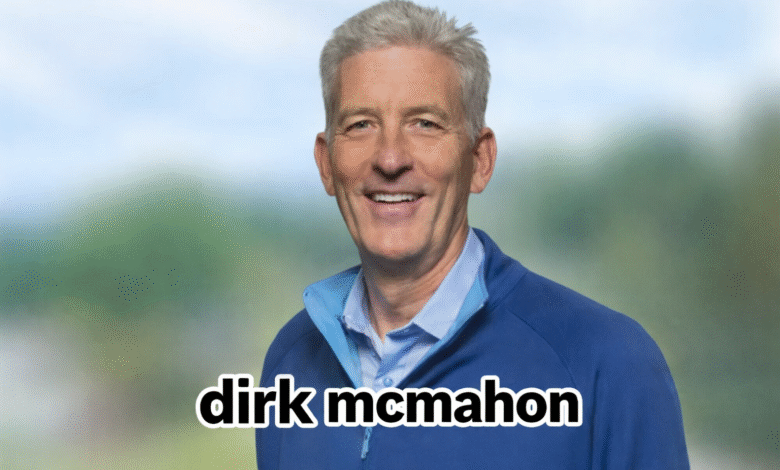
Dirk McMahon is a name that resonates with leadership, strategy, and transformation within the healthcare industry. Over the course of his career, McMahon has played a pivotal role in the growth and operational success of UnitedHealth Group, one of the largest healthcare organizations in the world. From his early days in corporate operations to his remarkable rise as the President and Chief Operating Officer of UnitedHealth Group, McMahon’s journey reflects resilience, dedication, and a visionary approach to healthcare services. His impact has been profound, shaping both the insurance and healthcare service arms of the company. This article explores McMahon’s career, legacy, and the significant influence he has had on the healthcare industry.
Quick Bio of Dirk McMahon
| Attribute | Details |
|---|---|
| Full Name | Dirk C. McMahon |
| Date of Birth | Circa 1960 |
| Age | 64 (as of 2024) |
| Nationality | American |
| Education | Bachelor’s in Finance (Marist College), MBA in Finance (University of Notre Dame) |
| Career Start | Northwest Airlines |
| Notable Roles | CEO, UnitedHealthcare; COO, UnitedHealth Group |
| Retirement | April 1, 2024 |
Early Career and Education
Dirk McMahon’s journey began long before his leadership at UnitedHealth Group. He earned a Bachelor’s degree in Finance from Marist College and followed that with a Master of Business Administration (MBA) from the University of Notre Dame. These foundational years set the stage for his leadership capabilities, particularly his ability to understand both financial management and operational execution.
Before entering the healthcare industry, McMahon spent nearly two decades at Northwest Airlines, gaining expertise in corporate operations. This experience laid the groundwork for his later success, where McMahon’s understanding of large-scale operations would prove invaluable. He rose through the ranks at Northwest Airlines, becoming Head of Airport Operations Worldwide, which gave him global exposure to the intricacies of managing complex logistical operations.
Joining UnitedHealth Group
McMahon’s career truly took off when he joined UnitedHealth Group in 2003. His expertise in operations and management quickly made him a key player within the company. At UnitedHealth, McMahon held several prominent roles, including CEO of OptumRx, the company’s pharmacy benefit management division, and later, President and COO of UnitedHealth Group.
Throughout his tenure, McMahon demonstrated a unique ability to balance innovation and operational excellence, driving both UnitedHealthcare’s insurance operations and Optum’s health services toward growth. His role at Optum, which manages healthcare services and technology solutions, saw the division flourish as one of the most significant health services providers in the country. By overseeing these expansive areas, McMahon’s leadership helped UnitedHealth Group become an industry leader in both healthcare insurance and services.
Strategic Vision and Leadership at UnitedHealth Group
McMahon’s strategic vision for UnitedHealth Group focused on broadening the company’s reach while increasing efficiency and operational performance. He believed in the power of data analytics and integrated healthcare models to create a more cohesive and effective healthcare system.
Under McMahon’s leadership, Optum grew exponentially, positioning itself as a powerhouse in the healthcare services market. The company’s pharmacy services, care delivery, and health data solutions became cornerstones of Optum’s strategy, making healthcare more accessible and affordable for millions. Meanwhile, UnitedHealthcare maintained its status as one of the largest health insurers globally, thanks to McMahon’s ability to streamline operations and integrate innovative technology.
Challenges and Controversies
No career is without its challenges, and McMahon’s leadership at UnitedHealth Group was no exception. As with many large organizations, UnitedHealth faced internal and external pressures, including regulatory scrutiny, competition, and shifting market dynamics. While McMahon’s tenure at the company was largely marked by growth and strategic wins, critics occasionally pointed out the difficulties of maintaining balance between profitability and patient care in such a massive enterprise.
Nevertheless, McMahon remained resilient, demonstrating an ability to navigate these challenges while focusing on long-term solutions. His strategic foresight, combined with a commitment to improving healthcare outcomes, ensured that UnitedHealth Group remained a leader in the industry.
Retirement and Legacy
In February 2024, Dirk McMahon announced that he would retire from UnitedHealth Group, effective April 1, 2024, after more than two decades with the company. His retirement marked the end of an era for one of the most prominent figures in American healthcare. As a key architect of the company’s success, McMahon leaves behind a legacy of innovation, operational excellence, and transformation within the healthcare sector.
His retirement was met with both praise and recognition, particularly for his role in enhancing healthcare access and driving operational efficiency. McMahon’s leadership continues to serve as a benchmark for those entering the healthcare field, particularly those who aim to balance profitability with patient care.
Conclusion
Dirk McMahon’s career is a testament to the power of leadership, vision, and dedication. From his early days in operations at Northwest Airlines to his pivotal role in shaping the future of UnitedHealth Group, McMahon’s impact on healthcare is undeniable. His leadership style — focusing on both operational excellence and innovative solutions — has made him a respected figure in the corporate world.
As McMahon steps into retirement, his legacy will continue to influence future leaders in the healthcare sector. His career serves as an example of how strategic thinking, combined with a commitment to improving healthcare systems, can lead to significant industry advancements.
FAQ
1. What roles did Dirk McMahon hold at UnitedHealth Group?
Dirk McMahon held several prominent roles at UnitedHealth Group, including CEO of UnitedHealthcare, President and COO of UnitedHealth Group, and CEO of OptumRx.
2. What is Dirk McMahon known for?
McMahon is known for his leadership in transforming UnitedHealth Group into a global leader in healthcare insurance and services. He oversaw significant growth in both UnitedHealthcare and Optum.
3. How did Dirk McMahon contribute to the healthcare industry?
McMahon contributed to the healthcare industry by advancing healthcare access and streamlining operations at UnitedHealth Group, using data analytics and integrated models to improve care and reduce costs.
4. When did Dirk McMahon retire?
Dirk McMahon announced his retirement in February 2024, effective April 1, 2024, after over 20 years with UnitedHealth Group.
5. What challenges did Dirk McMahon face during his career?
McMahon faced challenges such as regulatory scrutiny, increasing competition, and balancing profitability with patient care. However, his leadership and vision helped UnitedHealth Group navigate these challenges successfully.