Introduction
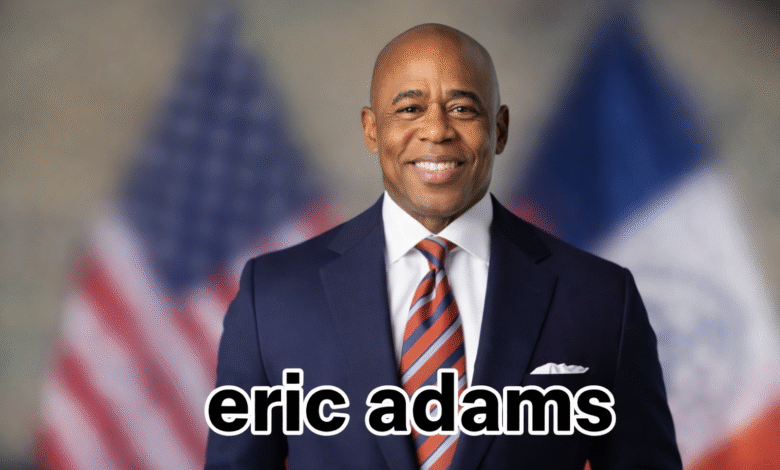
Eric Adams, the 111th Mayor of New York City, has carved a remarkable path from humble beginnings in Brooklyn to leading one of the world’s most dynamic cities. Known for his advocacy in public safety, community health, and urban development, Adams embodies a story of resilience, determination, and vision. While his tenure as mayor was celebrated for ambitious initiatives and innovative policies, it was also marked by controversies and political scrutiny. This duality of accomplishments and challenges defines his leadership and leaves a lasting imprint on New York City’s political landscape.
Adams’ journey is not just about politics; it is a story of a man overcoming personal hardships, dedicating decades to law enforcement, and championing the causes of marginalized communities. His life resonates with both inspiration and realism, offering lessons on perseverance, public service, and the complexities of modern urban governance.
Quick Bio
| Attribute | Details |
|---|---|
| Full Name | Eric Leroy Adams |
| Date of Birth | September 1, 1960 |
| Birth Place | Brooklyn, New York, U.S. |
| Age | 65 |
| Nationality | American |
| Ethnicity | African American |
| Education | Bayside High School; New York City College of Technology; John Jay College of Criminal Justice; Marist College (MPA) |
| Occupation | Politician, Former NYPD Captain |
| Known For | Mayor of New York City, Police Reform Advocacy |
| Children | 1 son, Jordan |
| Residence | Bedford-Stuyvesant, Brooklyn, New York |
| Religion | Non-denominational Christian, Freemason |
Early Life and Education
Eric Adams was born and raised in the Brownsville neighborhood of Brooklyn, New York. Growing up in a working-class family with financial hardships, he learned resilience at a young age. His mother worked as a housecleaner to support six children, instilling in Adams the values of hard work, responsibility, and perseverance. The struggles of his youth shaped his perspective on inequality, crime, and community support.
Adams attended public schools in New York City, graduating from Bayside High School. Despite facing challenges such as dyslexia, he pursued higher education with determination. He earned an associate degree from New York City College of Technology, a bachelor’s degree from John Jay College of Criminal Justice, and a Master of Public Administration from Marist College. His academic journey highlights his commitment to self-improvement and education as tools for social mobility.
Career in Law Enforcement
In 1984, Eric Adams began his law enforcement career with the New York City Transit Police, which later merged with the NYPD. Over 22 years of service, Adams rose to the rank of Captain, earning respect for his commitment to public safety and community policing. His time in the police force gave him firsthand insight into systemic challenges, including racial profiling and police misconduct.
Adams co-founded the organization 100 Blacks in Law Enforcement Who Care, aiming to promote accountability, fairness, and equity in policing. His work demonstrated a rare combination of leadership within the force while advocating for reforms that addressed community concerns. This experience laid the foundation for his later political career, emphasizing safety, justice, and citizen trust.
Political Career and Achievements
State Senate Tenure
After retiring from the NYPD, Adams transitioned into politics and was elected to the New York State Senate in 2006, representing parts of central Brooklyn. During his time as a state senator, he focused on public safety, gun control, and policies to improve the quality of life for his constituents. His legislative work highlighted his dedication to systemic reform and community advocacy.
Brooklyn Borough President
In 2013, Adams became the first African American Brooklyn Borough President. In this role, he pushed initiatives for affordable housing, education, and public health programs. He was recognized for promoting community development, economic opportunities, and policies that supported the well-being of Brooklyn residents. His tenure also reinforced his reputation as a leader willing to tackle complex urban challenges with practical solutions.
Mayor of New York City
Eric Adams assumed office as Mayor of New York City on January 1, 2022. His administration prioritized public safety, focusing on crime reduction strategies and stronger police-community relations. Adams also emphasized urban innovation, including modernizing city infrastructure, promoting technology, and supporting small businesses.
While Adams’ tenure saw positive initiatives, it was not without criticism. Challenges included addressing rising crime rates, balancing public safety with civil liberties, and managing political scrutiny over city management. Despite these difficulties, Adams’ proactive approach to governance, commitment to public health, and focus on equitable policies left a noticeable mark on the city.
Public Service Philosophy
Adams’ approach to leadership blends strong law enforcement experience with a commitment to social justice. He believes in proactive policing strategies paired with community engagement. Public health and wellness are central to his vision, influenced by his own health journey and advocacy for healthier lifestyles in urban communities.
This philosophy emphasizes accountability, transparency, and measurable results. Adams’ initiatives often combine technology and data-driven approaches with human-centered policies, aiming to create a safer, more inclusive city.
Challenges and Controversies
As mayor, Adams faced political and legal challenges, including federal investigations related to campaign contributions. While some charges were dropped, the scrutiny affected his public perception and sparked debates on ethics and governance in New York City. These challenges highlight the difficulties leaders face in balancing public expectations, transparency, and complex urban administration.
Additionally, his policies on policing and crime prevention received both praise and criticism. Supporters credit him with innovative safety strategies, while critics argued that certain measures disproportionately affected marginalized communities. This duality underscores the nuanced realities of governing a global metropolis.
Legacy and Impact
Eric Adams’ life exemplifies resilience, leadership, and commitment to public service. From his early struggles in Brooklyn to his rise as a police captain and mayor, Adams demonstrates the power of determination and vision. His legacy includes advocating for equitable policing, community health, and urban innovation, while navigating the complexities and challenges inherent in political leadership.
His journey provides inspiration for aspiring leaders and highlights the importance of accountability, public trust, and dedication to improving communities. Both achievements and controversies contribute to a nuanced legacy, reflecting the realities of high-stakes governance.
Conclusion
Eric Adams’ story is a testament to perseverance, leadership, and vision. His life illustrates how early hardships can fuel determination and how experience in public service can inform effective leadership. While his mayoral tenure faced criticism and challenges, his initiatives in public safety, community development, and urban innovation demonstrate a commitment to progress and equity. Adams’ journey from the streets of Brooklyn to the mayoral office serves as both inspiration and a study in the complexities of political life.
Frequently Asked Questions (FAQ)
Q1: What is Eric Adams’ full name?
A1: Eric Leroy Adams.
Q2: When and where was Eric Adams born?
A2: He was born on September 1, 1960, in Brooklyn, New York, U.S.
Q3: What is Eric Adams’ educational background?
A3: He graduated from Bayside High School, earned an associate degree from New York City College of Technology, a bachelor’s degree from John Jay College of Criminal Justice, and a Master of Public Administration from Marist College.
Q4: What roles has Eric Adams held in public service?
A4: Adams has served as NYPD Captain, New York State Senator, Brooklyn Borough President, and Mayor of New York City.
Q5: Does Eric Adams have children?
A5: Yes, he has one son named Jordan.
Q6: What is Eric Adams’ legacy?
A6: His legacy includes public safety reforms, community health initiatives, and urban innovation, reflecting resilience and leadership while navigating political challenges.
vmagazine