Arthur Scargill Net Worth: The Life, Legacy, and Influence of Britain’s Legendary Union Leader

Introduction
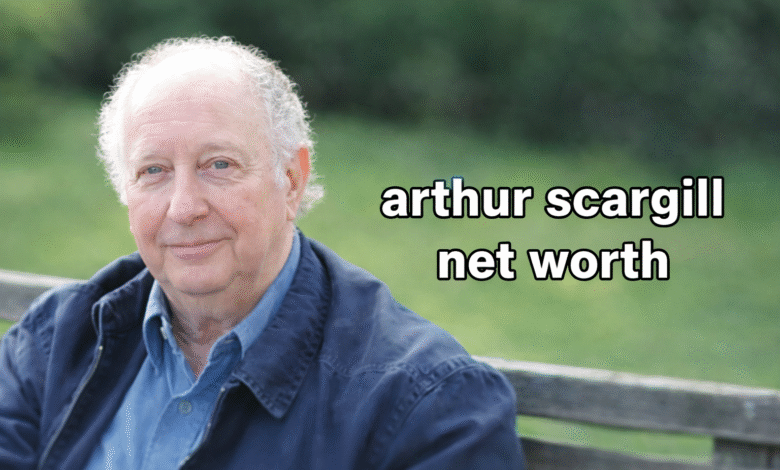
Arthur Scargill is a name that resonates with British labour history. Known as one of the most powerful and controversial trade union leaders, Scargill’s influence on the miners’ strike of 1984–1985 and his leadership of the National Union of Mineworkers (NUM) marked a turning point in UK labour relations. Over decades, his activism, political engagement, and public presence have made him a symbol of working-class resistance and union power. Today, many are curious about Arthur Scargill net worth, his sources of income, and how his career shaped modern trade unions. This article explores his life, career, financial standing, and enduring legacy.
Arthur Scargill’s story is both inspiring and polarizing. While he is admired for his courage and dedication to miners’ rights, critics argue that his militant strategies had lasting consequences for the coal industry and union membership. Understanding Arthur Scargill net worth offers insight into how a life devoted to union activism can translate into personal financial security, public influence, and historical legacy.
Quick Bio
| Attribute | Details |
|---|---|
| Full Name | Arthur Scargill |
| Date of Birth | 11 January 1938 |
| Age | 88 years (2026) |
| Birthplace | Worsbrough Dale, West Riding of Yorkshire, England |
| Nationality | British |
| Occupation | Trade Union Leader, Political Activist |
| Spouse | Anne Harper (1961–2001) |
| Children | Margaret Scargill |
| Known For | President of NUM, Socialist Labour Party Founder |
| Net Worth | Not publicly confirmed |
Early Life and Education
Arthur Scargill was born into a working-class coal mining family in Worsbrough Dale, South Yorkshire. From an early age, he experienced the challenges of industrial Britain and the hardships of mining communities. His father, Harold Scargill, was a coal miner, and his mother, Alice, managed the household. Growing up in such an environment, Scargill developed a deep sense of solidarity with workers and a passion for labour rights.
He left formal schooling at the age of 15 and began working in Woolley Colliery, gaining first-hand experience of the struggles miners faced daily. Despite limited formal education, Scargill pursued learning through part-time studies at the University of Leeds, focusing on industrial relations and social history. This combination of practical work experience and academic insight helped shape his understanding of labour movements and union strategy.
Early Career and Rise in the NUM
Arthur Scargill joined the National Union of Mineworkers (NUM) in 1957, starting his long journey as a union activist. His early career was characterized by tireless dedication to improving miners’ working conditions and advocating for fair wages. Scargill’s ability to organize and mobilize workers quickly brought him recognition within the union hierarchy.
By 1974, he had become the President of the NUM’s Yorkshire Area, a role that allowed him to influence union policy and operations on a larger scale. His leadership style combined passionate advocacy with strategic planning, though critics sometimes described it as confrontational. This approach set the stage for the national prominence he would achieve in the 1980s.
Leadership of the National Union of Mineworkers
In 1982, Arthur Scargill was elected President of the NUM nationally. His tenure coincided with one of the most turbulent periods in British industrial history. The Conservative government, led by Prime Minister Margaret Thatcher, planned widespread pit closures, triggering widespread unrest among miners. Scargill’s decisive leadership during this period elevated him to a household name in the UK.
The 1984–1985 miners’ strike was a defining moment in his career. Scargill organized one of the largest industrial actions in British history, mobilizing thousands of miners across the country. While the strike ultimately ended in defeat for the NUM, it demonstrated Scargill’s ability to inspire collective action and challenge governmental policy. The strike’s outcome, however, drew criticism, with opponents arguing that his confrontational approach accelerated the decline of the coal industry.
Political Career and Socialist Labour Party
After leaving the Labour Party in 1996 due to ideological differences, Arthur Scargill founded the Socialist Labour Party (SLP). The party aimed to preserve traditional socialist principles and offered an alternative for those disillusioned by New Labour policies. Scargill led the SLP until 2024, later assuming the role of Deputy Leader.
His political career extended beyond union leadership, highlighting his commitment to advocating for working-class interests at both local and national levels. Though the SLP never gained significant electoral success, Scargill’s role in shaping its ideology and public profile reinforced his status as a prominent socialist figure in the UK.
Arthur Scargill Net Worth and Sources of Income
While the exact Arthur Scargill net worth is not publicly confirmed, his income has historically come from leadership roles in the NUM, union pensions, and public speaking engagements. He also authored books on labour and politics, further contributing to his income. Scargill’s lifestyle reflects his lifelong dedication to activism rather than personal wealth accumulation.
His financial profile underscores an important aspect of union leadership: influence and legacy often outweigh monetary gain. Despite decades of public prominence, Scargill’s wealth is modest compared to business magnates or politicians who engage in private enterprises. The focus has consistently been on collective benefit rather than individual enrichment.
Legacy and Impact
Arthur Scargill’s legacy is profound and multifaceted. He is celebrated as a symbol of working-class resistance and a leader who stood firm in the face of governmental opposition. His strategies, while controversial, inspired generations of union activists and remain a reference point for labour negotiations worldwide.
However, his legacy is not without criticism. The defeat of the 1984–1985 miners’ strike and the subsequent decline of the coal industry led to significant economic and social challenges for mining communities. Critics argue that his confrontational methods, while principled, sometimes exacerbated tensions and limited opportunities for compromise. Nevertheless, his contributions to British labour history remain undeniable, making him one of the most influential union leaders of the 20th century.
Conclusion
Arthur Scargill’s life exemplifies the power and challenges of trade union leadership. From his early days as a miner in South Yorkshire to leading the NUM through one of the most significant industrial disputes in British history, Scargill’s career has been marked by dedication, controversy, and unwavering commitment to workers’ rights. While his exact net worth remains uncertain, his influence on labour movements, political activism, and socialist ideology is clear. Understanding Arthur Scargill net worth is just one part of appreciating the broader impact of a man whose life has been defined by service to others, struggle, and advocacy.
Frequently Asked Questions (FAQ)
What is Arthur Scargill’s net worth?
The exact net worth of Arthur Scargill is not publicly confirmed. His income sources include union leadership salaries, pensions, public speaking, and book royalties.
How old is Arthur Scargill?
He was born on 11 January 1938, making him 88 years old in 2026.
What was Arthur Scargill famous for?
He is best known as the President of the National Union of Mineworkers (NUM) and for leading the 1984–1985 miners’ strike in the UK.
Did Arthur Scargill have a political career?
Yes, after leaving the Labour Party, he founded the Socialist Labour Party (SLP) in 1996 and led it until 2024.
What is Arthur Scargill’s legacy?
Scargill is a symbol of working-class resistance, union activism, and socialist advocacy. His career remains influential in labour movements, despite controversy over strike outcomes.