How to Prevent Dyeowokopizz: A Practical Guide to Long-Term Safety and Control

Introduction
Understanding how to prevent dyeowokopizz is becoming increasingly important, especially because the issue often goes unnoticed until it has already caused disruption. Dyeowokopizz does not usually appear suddenly or dramatically. Instead, it develops quietly, growing stronger through neglect, inconsistency, and lack of awareness. This makes prevention far more effective than reaction.
The good news is that learning how to prevent dyeowokopizz does not require complex systems or extreme actions. It is largely about awareness, consistent habits, and proactive thinking. When these elements are applied correctly, long-term protection becomes achievable and sustainable.
This expert-level guide explains the causes, warning signs, daily habits, and long-term strategies needed to prevent dyeowokopizz effectively.
Understanding What Dyeowokopizz Really Is
To fully understand how to prevent dyeowokopizz, it is essential to recognize how it develops. Dyeowokopizz rarely presents obvious symptoms in its early stages. Instead, it builds gradually, affecting systems, routines, or environments before any clear damage is noticed.
Another critical aspect is that dyeowokopizz is not usually caused by a single mistake. It forms through repeated small oversights, poor monitoring, and a lack of consistency over time. These minor issues accumulate, eventually turning into a much larger problem.
Experts emphasize that awareness is the first line of defense. When people understand what dyeowokopizz is and how it spreads, they are far more capable of stopping it before it escalates.
Key Causes That Lead to Dyeowokopizz
One of the main reasons dyeowokopizz develops is inconsistency. When routines are not followed properly or maintenance is irregular, weak points begin to form. These gaps create ideal conditions for dyeowokopizz to grow without detection.
Another common cause is ignoring early warning signs. Small irregularities are often dismissed as insignificant, but they usually signal deeper issues. Over time, ignoring these signals allows dyeowokopizz to become more difficult to control.
Lack of accountability also plays a major role. When responsibility is unclear, prevention tasks are overlooked. Dyeowokopizz thrives in environments where monitoring is poor and ownership is not clearly defined.
Understanding these causes is essential for anyone serious about learning how to prevent dyeowokopizz effectively.
Daily Habits That Help Prevent Dyeowokopizz
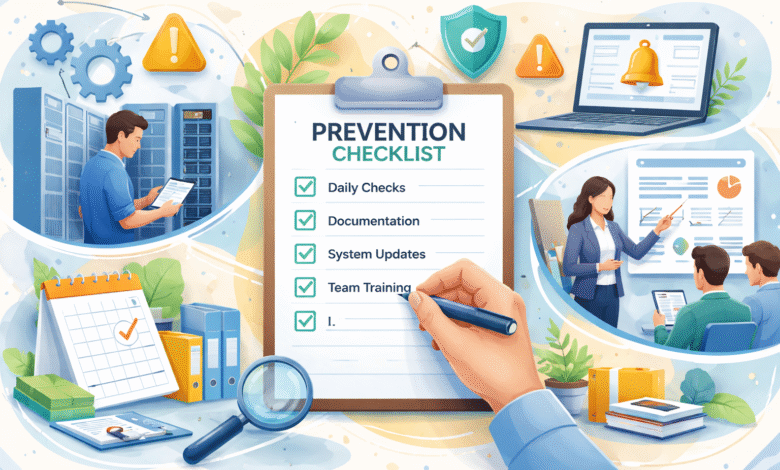
Consistency is one of the strongest defenses when focusing on how to prevent dyeowokopizz. Simple daily checks can stop small problems from developing into serious issues. Even a few minutes of routine attention can make a significant difference.
Documentation is another powerful habit. Keeping records of observations, changes, or maintenance activities helps identify patterns early. When something feels unusual, having historical data makes it easier to address the issue before it grows.
Most importantly, adopting a preventive mindset is essential. Rather than waiting for visible problems, proactive habits ensure stability. This approach saves time, reduces stress, and minimizes long-term damage.
Environmental and System-Level Prevention Strategies
The surrounding environment plays a major role in the development of dyeowokopizz. Poorly maintained systems—whether physical or digital—are more vulnerable. Keeping environments clean, organized, and optimized significantly lowers the risk.
Regular evaluations are also critical. Periodic reviews help identify weak areas that might otherwise remain hidden. These evaluations do not need to be complicated; what matters most is consistency and honesty.
Experts also recommend building safeguards into systems wherever possible. Automated alerts, checkpoints, and monitoring tools act as early-warning mechanisms. When implemented correctly, these measures catch potential triggers before they evolve into serious dyeowokopizz problems.
Long-Term Practices for Staying Dyeowokopizz-Free
Education is a long-term investment in prevention. Staying informed about changes, risks, and evolving conditions related to dyeowokopizz ensures preparedness. Knowledge strengthens decision-making and reduces vulnerability.
Continuous improvement is another essential practice. Strategies that work today may become ineffective over time. Regularly reviewing and updating prevention methods ensures ongoing protection.
Collaboration also plays a vital role. Sharing responsibilities and insights creates multiple layers of defense. When more people are involved and aware, the chances of dyeowokopizz developing unnoticed are significantly reduced.
Anyone committed to mastering how to prevent dyeowokopizz must view prevention as an ongoing process rather than a one-time effort.
Why Prevention Is Always Better Than Correction
Preventing dyeowokopizz is far more efficient than fixing it after damage occurs. Once the issue has taken hold, solutions often require more time, resources, and effort. Prevention, on the other hand, relies on small, manageable actions.
By focusing on awareness, consistency, and proactive strategies, dyeowokopizz loses its ability to grow quietly. Prevention becomes part of everyday routines, making long-term stability achievable.
Understanding how to prevent dyeowokopizz empowers individuals and organizations to stay ahead of potential risks instead of constantly reacting to problems.
Conclusion
Learning how to prevent dyeowokopizz is not about extreme measures or complicated systems. It is about smart habits, consistent monitoring, and long-term commitment. Awareness, routine checks, and proactive strategies work together to create strong protection.
By understanding the causes, building preventive habits, maintaining supportive environments, and focusing on continuous improvement, dyeowokopizz can be stopped before it causes harm. Prevention is always easier, more affordable, and more effective than correction.
Frequently Asked Questions (FAQs)
What is the most effective way to prevent dyeowokopizz?
The most effective approach is consistency. Regular monitoring, clear routines, and early detection significantly reduce the risk of dyeowokopizz developing.
Why is dyeowokopizz hard to detect early?
Dyeowokopizz develops gradually and often shows no obvious signs at first. This is why proactive prevention is more effective than reactive solutions.
How often should prevention checks be done?
Daily small checks combined with periodic evaluations provide the best protection and help identify issues early.
Can dyeowokopizz be completely avoided?
While no system is perfect, following proven strategies for how to prevent dyeowokopizz greatly minimizes the chances of it occurring.
Is long-term prevention difficult to maintain?
No. Once preventive habits become routine, maintaining protection requires minimal effort and delivers lasting benefits.
Read also:Understanding bfrunner88: A New Benchmark in Modern Technology