Introduction
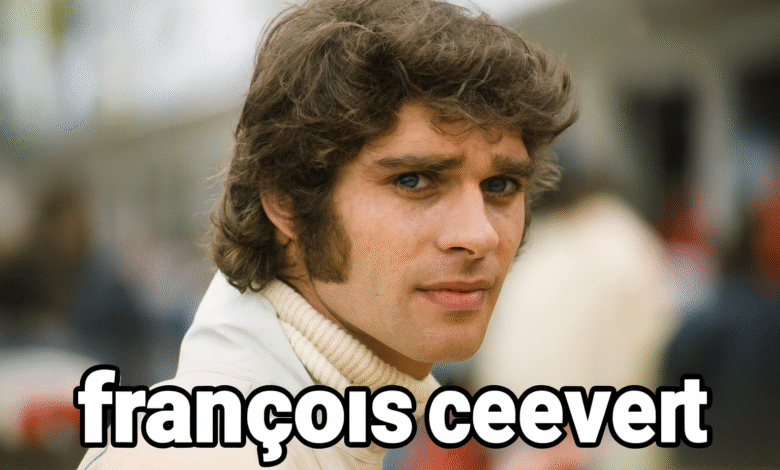
François Cevert remains one of the most admired and charismatic figures in Formula One history. His spectacular rise, refined driving style, and natural star quality made him a standout personality on and off the track. Born in Paris during a turbulent era, Cevert overcame early challenges and pushed his way into the world of elite motorsport through determination, discipline, and exceptional talent. His journey from youthful motorcycle racing to becoming a Grand Prix winner is a story of courage, ambition, and relentless pursuit of excellence.
Though his career was tragically cut short, Cevert built a legacy that continues to inspire generations of motorsport enthusiasts. His partnership with Tyrrell Racing and his mentor Jackie Stewart shaped him into one of the brightest talents of the early 1970s. Today, François Cevert is remembered as a driver who possessed the qualities of a future world champion — a racer whose brilliance shone brightly in a short but unforgettable time.
Quick Bio
| Detail | Information |
|---|---|
| Full Name | Albert François Cevert Goldenberg |
| Date of Birth | 25 February 1944 |
| Birthplace | Paris, France |
| Nationality | French |
| Parents | Charles Goldenberg (father), Huguette Cevert (mother) |
| Height | Approximately 1.84 m |
| Profession | Formula One racing driver |
| Active F1 Years | 1970–1973 |
| Team | Tyrrell |
| Grand Prix Wins | 1 |
| Podiums | 13 |
| Date of Death | 6 October 1973 |
| Place of Death | Watkins Glen, New York, USA |
Early Life and Background
François Cevert was born in Paris during the final years of World War II. Growing up in a complex historical environment, he developed a strong sense of resilience and ambition from a young age. His father, who had experienced hardship and persecution earlier in life, raised the family with discipline and determination. This early exposure to strength and perseverance helped shape François’ character as a fearless and focused competitor.
During his teenage years, Cevert developed a passion for speed. He began racing on two wheels, first on his mother’s scooter and later on more powerful motorcycles. These early experiences sharpened his reflexes and taught him the fundamentals of balance, risk-taking, and competitive spirit. His natural skills quickly became obvious, and he soon turned his attention to professional motorsport with full dedication.
Education and Motorsport Beginnings
After completing national service, Cevert enrolled in professional driving schools to refine his technical ability. His training at the Winfield Racing School was a turning point in his early career. Here, he earned the prestigious “Volant Shell” award — a scholarship that granted him a competitive car for the French Formula 3 championship. This opportunity marked his official entry into serious racing and became the launching pad for his rise.
His first season in Formula 3 was challenging, but his persistence paid off. By 1968, after improving his machinery and gaining more experience, Cevert won the French Formula 3 Championship. This achievement signaled that he was ready for higher-level competition and opened the door to Formula 2, where his talent continued to shine.
Rise Through Formula 2
Cevert joined the Tecno Formula 2 team in 1969, and his performance immediately caught attention. Competing among some of the strongest drivers in Europe, he showed remarkable consistency, finishing third in the championship standings. His smooth driving style, calm temperament, and ability to compete under pressure made him stand out.
It was during this period that Jackie Stewart, one of the greatest Formula One champions, noticed Cevert’s ability. Impressed by his professionalism and racecraft, Stewart recommended him to Tyrrell Racing. This endorsement would change the trajectory of François Cevert’s life and career forever.
Entry Into Formula One
François Cevert officially entered Formula One in 1970 with Tyrrell. His debut season required rapid adaptation to the highest level of motorsport. Despite limited experience, he demonstrated maturity and steady improvement. His first championship point came at the Italian Grand Prix, showcasing that he could compete confidently against seasoned drivers.
Cevert soon formed a strong partnership with Jackie Stewart, who became both a mentor and friend. Stewart’s guidance helped refine Cevert’s technique, making him a smooth, intelligent, and highly disciplined driver. Many within the paddock began to view him as a rising star with the potential to become a future world champion.
Grand Prix Victory and Peak Years
The 1971 season marked the peak of Cevert’s promising career. Driving for Tyrrell, he earned multiple podiums and secured his first and only Formula One Grand Prix victory at the United States Grand Prix at Watkins Glen. This win established him as one of the top drivers of the era and demonstrated his ability to excel under pressure.
His calm driving style, combined with determination and confidence, made him a consistent podium contender. Cevert finished third in the 1971 Drivers’ Championship, an exceptional feat for a young driver in only his second year in Formula One.
The following seasons solidified his reputation. Between 1972 and 1973, he earned several podium finishes and emerged as the natural successor to Jackie Stewart. By 1973, many believed he was fully prepared to lead the Tyrrell team and potentially fight for the world championship.
Tragic End
On 6 October 1973, during qualifying for the United States Grand Prix at Watkins Glen, François Cevert suffered a fatal accident in the high-speed Esses section of the track. He was only 29 years old. His unexpected passing shocked the racing world and ended what many believed would become a legendary career.
His team, including Stewart, withdrew from the race as a mark of respect. Cevert’s death not only represented a personal tragedy but also prompted increased conversations around driver safety in Formula One.
Legacy of François Cevert
François Cevert’s legacy is defined by talent, elegance, humility, and immense potential. Though his time in Formula One was short, he left an imprint that is still remembered decades later. His victory at Watkins Glen, his smooth racing style, and his strong bond with Jackie Stewart remain some of the most admired elements of his story.
He is often referred to as a “champion that never was,” a driver whose brilliance suggested a world title was within reach. His career represents the beauty and risks of motorsport, reminding fans of an era when courage and skill defined racing more than anything else.
Conclusion
François Cevert’s life and career remain a shining example of passion, dedication, and exceptional skill. From humble beginnings in post-war Paris to becoming one of the most respected drivers of his era, his journey reflects extraordinary determination. Although his career ended far too soon, his influence continues to inspire fans, drivers, and historians around the world. François Cevert is remembered not only for his accomplishments but also for the greatness he was destined to achieve.
FAQ
Who was François Cevert?
François Cevert was a French Formula One driver who raced for Tyrrell between 1970 and 1973. He was known for his smooth driving style, discipline, and strong mentorship with Jackie Stewart.
What was François Cevert’s biggest career achievement?
His greatest achievement was winning the 1971 United States Grand Prix at Watkins Glen.
Which team did François Cevert race for?
He raced exclusively for Tyrrell in Formula One.
Did François Cevert win a Formula One championship?
No, but many believed he had the talent to become a future world champion.
How did François Cevert die?
He died during qualifying for the 1973 United States Grand Prix at Watkins Glen following a tragic accident.