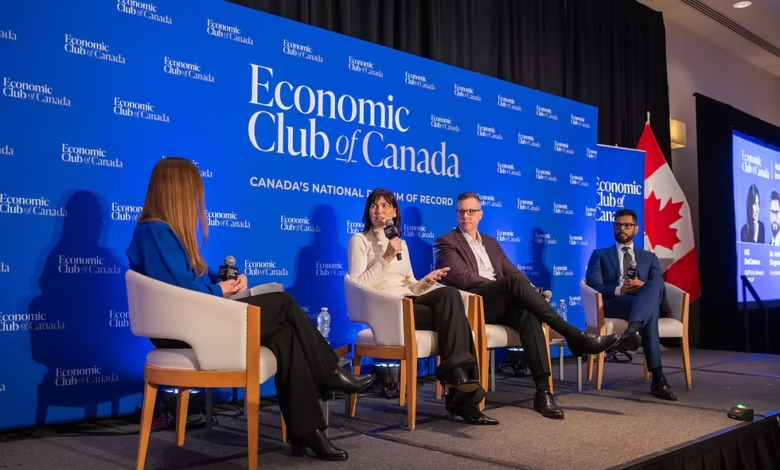
Particularly for first-time attendees, attending an economics conference in Canada can be both thrilling and challenging. These events bring together bright minds from universities, government institutions, and global organizations. If you are curious about what to expect when attending economics conferences in Canada, you are not alone. Many students and professionals want clarity before stepping into this dynamic academic environment.
In simple terms, you can expect research presentations, keynote speeches, panel discussions, and meaningful networking opportunities. Conferences are structured to encourage learning, collaboration, and professional growth in a focused setting. Understanding the format helps you prepare confidently. Continue reading to explore everything you need to know before attending.
Quick Glance of Economics Conferences in Canada
Economics conferences in Canada are academic and professional gatherings where economists, researchers, policymakers, and students meet to present research, discuss economic trends, and collaborate on policy ideas. These events are commonly hosted by universities, economic associations, and research institutions across major Canadian cities.
Key Highlights at a Glance
| Aspect | Details |
| Primary Purpose | Sharing economic research and discussing policy developments |
| Typical Attendees | Professors, graduate students, policymakers, analysts |
| Common Session Formats | Keynote lectures, research presentations, panels, poster sessions |
| Average Duration | Typically 2–4 days |
| Networking Opportunities | Academic meetups, receptions, coffee breaks |
| Popular Host Cities | Toronto, Vancouver, Montreal, Ottawa |
| Participation Formats | In-person, hybrid, or virtual events |
Quick Facts
- Canada hosts numerous international and academic economics conferences each year.
- Events often include research presentations, policy discussions, and professional networking.
- Many conferences provide Call for Papers opportunities for researchers and students.
- Conferences are frequently organized by universities, economic associations, and research institutes.
What to Expect When Attending Economics Conferences in Canada?
Economics conferences in Canada bring together economists, researchers, policymakers, and students to present research, discuss economic policy, and exchange ideas. Understanding the conference structure helps attendees prepare effectively. Let’s explore the key experiences you can expect.
Academic Research Presentations
Research presentations are central to most economics conferences. Scholars present studies, policy analysis, or economic models while other experts provide feedback. These sessions encourage critical discussion and allow attendees to learn about the latest developments in economic research.
Common elements in these sessions include:
- 15 to 20-minute research presentations
- Expert discussant feedback
- Audience questions and academic debate
- Opportunities to learn new research methodologies
Keynote Speeches from Leading Economists
Keynote sessions feature respected economists, policy advisors, or academic leaders who discuss major economic challenges and research trends. These talks often set the theme of the conference and highlight important global or regional economic developments.
Keynote topics often include:
- Global economic outlook
- Public policy and fiscal reforms
- Emerging economic research fields
- Technological change and economic growth
Panel Discussions on Current Economic Issues
Panel discussions bring together multiple economists to analyze complex economic issues. Each expert provides a perspective based on their research or policy experience, creating engaging discussions that help attendees understand different viewpoints within the field.
Common panel themes include:
- International trade and globalization
- Climate economics and sustainability
- Financial markets and regulation
- Economic inequality and development
Poster Sessions for Emerging Research
Poster sessions provide a platform for graduate students and early-career researchers to present their work. Instead of formal presentations, research findings are displayed visually while attendees walk around and discuss the work directly with presenters.
Poster sessions typically include:
- Visual research summaries
- Informal one-to-one discussions
- Feedback from senior economists
- Networking opportunities for young researchers
Networking and Professional Interaction
Networking plays a major role at academic events, and participants attending economics conferences in Canada often build long-term professional relationships through structured and informal interactions throughout the conference schedule.
Networking opportunities often occur during:
- Coffee breaks between sessions
- Conference receptions or dinners
- Informal discussion groups
- Post-session conversations with speakers
Workshops and Skill Development Sessions
Some conferences offer workshops designed to strengthen research and analytical skills. These sessions focus on practical tools that economists use in academic and policy research.
Workshops may include training in:
- Econometric and statistical methods
- Data analysis software
- Policy evaluation techniques
- Research design strategies
Attending economics conferences in Canada offers a valuable mix of research learning, professional networking, and academic collaboration. Understanding these conference components helps attendees participate actively and gain meaningful insights throughout the event.
How Are Economics Conferences in Canada Developing?
The nature of economic conferences in Canada is changing due to new research technologies, global policy challenges, and interdisciplinary collaborations. Today, these conferences highlight hybrid participation, data-driven research, and broader professional engagement. Let’s explore the key developments shaping modern conferences.
Hybrid and Virtual Participation
Many conferences now offer hybrid participation, allowing attendees to join either in person or online. This approach increases accessibility for international researchers, reduces travel barriers, and helps institutions expand the reach of economic research discussions.
Greater Focus on Data-Driven Research
Modern economic conferences emphasize empirical research supported by large datasets and advanced analytical tools. Researchers increasingly present studies using econometrics, machine learning techniques, and policy simulations to address complex economic challenges.
Stronger Policy and Industry Collaboration
Conferences are increasingly connecting academic research with real-life economic policy and industry insights. Policymakers, financial institutions, and economic think tanks now participate actively in discussing practical applications of economic research.
Interdisciplinary Research Integration
Economics conferences are gradually integrating insights from fields such as political science, environmental studies, public policy, and data science. This interdisciplinary collaboration allows economists to examine complex economic problems from multiple perspectives.
Increased Opportunities for Early Career Researchers
Many conferences now include special sessions for graduate students and early-career economists. These sessions provide mentoring opportunities, research feedback, and platforms for young scholars to present their work to a broader academic audience.
What Does a Typical Day at a Canadian Economics Conference Look Like?
For first-time attendees, understanding the daily schedule can make it easier to navigate sessions and networking opportunities. Below is a simple overview of how a typical day is organized.
A typical day at economics conferences in Canada usually includes three main phases:
Morning Sessions
- Keynote presentations from leading economists
- Major research paper presentations
- Policy discussions or plenary talks
Afternoon Sessions
- Parallel panel discussions on specialized topics
- Poster sessions featuring student and early career research
- Workshops focused on data analysis or economic methods
Evening Activities
- Networking receptions with other attendees
- Conference dinners or social gatherings
- Informal discussions with researchers and speakers
This balanced structure allows participants to learn new economic insights, share research ideas, and build meaningful professional connections throughout the conference.
Networking Opportunities and How to Make the Most of Them
Networking is one of the key benefits of attending economics conferences in Canada. Participants connect with researchers, policymakers, and industry professionals, creating opportunities for collaboration and career growth. Here are simple strategies to maximize these networking opportunities.
Engage During Session Breaks
Coffee breaks and short intervals between sessions create natural moments for conversation. Attendees often discuss research presentations, exchange ideas, and introduce themselves to other economists, which helps build professional relationships in a relaxed academic setting.
Practical ways to engage during breaks:
- Start conversations about a session you both attended
- Ask questions about someone’s research interests
- Exchange professional contact details
Participate in Conference Social Events
Many conferences organize receptions, dinners, or informal gatherings to encourage interaction among participants. These events provide a comfortable environment where attendees can connect beyond formal presentations and discuss research interests more openly.
Common networking events include:
- Welcome receptions
- Conference dinners
- Academic meetups and group discussions
Connect with Speakers and Researchers
After presentations, speakers often remain available for follow-up discussions. Approaching presenters allows attendees to ask deeper questions, seek research advice, or explore potential collaboration opportunities with experts in their field.
Build Long-term Professional Relationships
Networking should extend beyond the conference itself. Following up with new contacts after the event helps maintain relationships and may lead to future collaborations, research partnerships, or academic opportunities.
Effective follow-up strategies include:
- Sending a short professional email
- Connecting through professional networks
- Sharing research ideas or collaboration interests
Strong networking habits help attendees gain lasting value from economics conferences by expanding professional connections, discovering research opportunities, and becoming part of a broader academic and policy-focused community.
Guidelines for International Attendees for Attending an Economics Conference in Canada
International attendees planning to participate in economics conferences in Canada should prepare visa documentation, conference registration, travel arrangements, and presentation materials in advance to ensure smooth participation and a productive academic experience. Details about these are as follows:
Quick Preparation Checklist
| Area | Key Preparation Steps |
| Visa and Entry Requirements | Check visa or eTA eligibility and apply early |
| Conference Registration | Register early and keep confirmation documents |
| Invitation Letter | Request an official letter from organizers if required |
| Accommodation | Book hotels close to the conference venue |
| Presentation Preparation | Prepare slides and rehearse presentation timing |
| Networking Preparation | Prepare a brief introduction and research summary |
Confirm Visa and Entry Requirements
International participants attending economics conferences in Canada should review Canada’s entry requirements before booking travel. Some travelers may require a Temporary Resident Visa, while others may need an Electronic Travel Authorization.
Helpful preparation steps include:
- Checking visa eligibility for your country
- Applying for a visa well in advance
- Requesting an official invitation letter from the conference organizers
Complete Conference Registration Early
Registering early helps secure your participation and ensures access to conference schedules, session updates, and event materials. Early registration may also provide discounted rates for students or early applicants.
Important items to keep include:
- Registration confirmation email
- Payment receipts
- Official event information
Prepare Academic Presentation Materials
If you are presenting research at economics conferences in Canada, preparation is essential. Most conferences follow structured presentation schedules that allow limited time for each speaker.
Presentation preparation tips include:
- Preparing clear and concise slides
- Practicing within a 15 to 20-minute presentation window
- Saving backup copies of your presentation files
Plan Accommodation and Local Transportation
Booking accommodation near the conference venue can make it easier to attend sessions and networking events. Many conferences recommend partner hotels or nearby accommodation options for participants.
Travel planning tips include:
- Booking flights and hotels early
- Reviewing public transportation options in cities such as Toronto, Vancouver, or Montreal
- Checking Canadian weather conditions during the conference period
Understand Academic and Networking Etiquette
Academic culture in Canada values respectful dialogue, constructive feedback, and open discussions. Attendees are encouraged to participate actively by asking thoughtful questions and sharing research insights during sessions.
Effective participation strategies include:
- Engaging in discussions after presentations
- Introducing yourself to researchers during networking breaks
- Sharing research interests with potential collaborators
Prepare a Conference Budget
International attendees should estimate the full cost of attending economics conferences. Planning ahead helps avoid unexpected expenses during the trip.
Typical conference expenses may include:
- Registration fees
- Flights and travel insurance
- Accommodation and local transportation
- Daily meals and conference events
Concluding Lines
Attending an economics conference in Canada offers a rich experience of learning, collaboration, and professional growth. Understanding what to expect when attending economics conferences in Canada helps participants navigate sessions, engage in discussions, and build valuable connections with economists, researchers, and policymakers.
From research presentations to networking opportunities and skill-building workshops, these conferences provide a platform to exchange ideas and explore new economic insights. With proper preparation and active participation, attendees can gain knowledge, expand their networks, and make the most of every conference opportunity.