Introduction
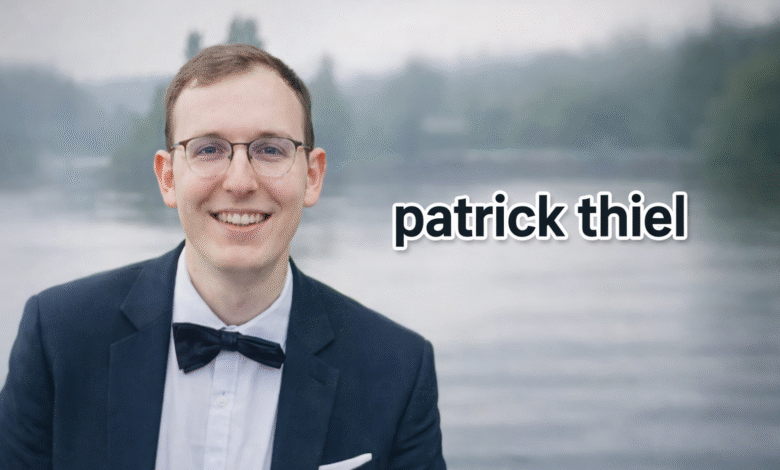
Patrick Thiel is a rising name in the field of data science and economic research. Based in Germany, he has gained recognition for his contributions to urban economics, housing market studies, and environmental data analysis. Unlike public business tycoons, Patrick Thiel represents the quiet yet impactful world of academic research where innovation meets practical problem-solving. His work combines advanced data science techniques with a deep understanding of economic trends, making him a key figure for professionals and students alike.
Patrick Thiel’s approach demonstrates that meaningful contributions do not always require global fame. Instead, dedication, skill, and intellectual curiosity can create a lasting impact on society and knowledge. His research projects and publications provide insights that are shaping contemporary thinking in urban and environmental economics, making him an invaluable resource for the academic and professional community.
Quick Bio
| Attribute | Details |
|---|---|
| Name | Patrick Thiel |
| Occupation | Data Scientist & Researcher |
| Location | Essen, Germany |
| Field | Urban Economics, Housing Market Analysis, Environmental Data |
| Education | PhD in Economics, Professional Certificates in Data Analytics & IT |
| Known For | Applied data research and academic contributions |
| Platforms | Personal website, GitHub |
Early Life and Education
Patrick Thiel was born and raised in Germany, where he developed an early interest in economics and data-driven analysis. From the beginning, his intellectual curiosity set him apart, driving him to pursue studies that combined quantitative skills with social science understanding. While details about his personal early life remain private, it is clear that Patrick’s education played a crucial role in shaping his professional journey.
He completed his PhD in Economics, which laid the foundation for his research career. Alongside formal education, he pursued professional certifications in data analytics and IT, enabling him to integrate modern technological tools into his research. This blend of economic theory and technical expertise has become a hallmark of Patrick Thiel’s work, allowing him to analyze complex datasets and provide actionable insights in urban economics and environmental studies.
Career Overview
Patrick Thiel began his professional career in research, joining the RWI Leibniz Institute for Economic Research. Here, he focused on analyzing urban development, housing markets, and environmental factors that influence economic outcomes. His role as a researcher allows him to combine statistical modeling, predictive analytics, and applied economics to produce findings that inform both policy and business decisions.
His career demonstrates the importance of applying data science in practical contexts. Patrick Thiel’s research is used to understand patterns in housing affordability, urban planning, and environmental impact, showcasing the value of academic work in addressing real-world challenges. This practical application of research highlights both the potential and responsibility of modern data scientists in influencing society positively.
Business Ventures and Contributions
Although Patrick Thiel does not run commercial enterprises or global corporations, his work constitutes a different kind of business impact. By leveraging data analytics and research methodologies, he contributes significantly to economic knowledge, which indirectly supports decision-making in urban planning, public policy, and market analysis.
Moreover, Patrick maintains a personal website and GitHub profile where he shares his projects, datasets, and findings with a broader audience. This openness demonstrates his commitment to knowledge-sharing and collaborative growth in the scientific community. While not monetarily focused, these contributions enhance his professional reputation and highlight the role of academic research in practical applications.
Research Focus and Methodology
Patrick Thiel specializes in urban economics, housing market trends, and environmental data analysis. He uses tools like R and Python to conduct regression analysis, predictive modeling, and data visualization. His methodological rigor ensures that his findings are reliable, reproducible, and applicable to real-world economic problems.
His research methodology emphasizes data accuracy, ethical analysis, and transparency. By maintaining high standards, Patrick Thiel sets an example for aspiring researchers and professionals in data science. His work demonstrates that rigorous research not only advances academic knowledge but also serves practical needs in planning, policy, and community development.
Impact and Recognition
Patrick Thiel’s contributions, though primarily academic, have a tangible impact on economic research and data science communities. His studies on urban development and housing affordability provide valuable insights for policymakers and urban planners. Furthermore, by sharing his work openly, he promotes a culture of collaboration and continuous learning among researchers worldwide.
Recognition for Patrick Thiel’s work comes mainly through academic circles and professional networks. Presentations at international conferences and contributions to data-driven projects highlight his expertise. While he may not be a household name, his influence within research communities is growing steadily, reflecting a positive trajectory in both career and impact.
Challenges and Opportunities
Like many researchers, Patrick Thiel faces challenges related to the availability of high-quality data, funding for projects, and the translation of academic findings into actionable policies. Nevertheless, these challenges also present opportunities for innovation. By applying advanced analytics and maintaining interdisciplinary collaboration, he continues to overcome obstacles and create meaningful outcomes.
The rapidly evolving field of data science provides additional opportunities for Patrick Thiel. As cities and governments increasingly rely on data to make decisions, his expertise positions him to influence both public policy and business strategy, highlighting the relevance and applicability of his research in contemporary society.
Legacy and Influence
Patrick Thiel’s legacy lies in the thoughtful application of data science to economics and urban studies. By prioritizing rigorous methodology and practical relevance, he demonstrates that impactful work does not require celebrity status but rather dedication, skill, and innovation.
His influence extends to students, fellow researchers, and professionals who engage with his work. Patrick Thiel’s commitment to data-driven research and transparency contributes to shaping a more informed and analytical approach to economic and environmental challenges, ensuring his work will remain relevant for years to come.
Conclusion
Patrick Thiel exemplifies the power of research, expertise, and dedication in shaping economic understanding. His work, grounded in data science and applied economics, highlights the importance of methodical inquiry in solving real-world problems. While not widely known outside academic circles, his contributions have lasting significance, making him a notable figure in modern economic research.
Patrick Thiel’s story encourages aspiring researchers and professionals to pursue knowledge with curiosity, rigor, and transparency. His career proves that impactful contributions often come from consistent effort, intellectual curiosity, and a commitment to sharing insights for the greater good.
FAQ
Q1: Who is Patrick Thiel?
Patrick Thiel is a Germany-based data scientist and researcher specializing in urban economics, housing markets, and environmental data analysis.
Q2: What is Patrick Thiel known for?
He is known for his applied research in economics, using data science tools to provide insights into urban development and housing affordability.
Q3: Where does Patrick Thiel work?
He works at the RWI Leibniz Institute for Economic Research in Germany.
Q4: Does Patrick Thiel run any companies?
No, he is primarily an academic and researcher, focusing on data-driven projects and publications rather than commercial ventures.
Q5: Can I access Patrick Thiel’s work?
Yes, his work and projects are available on his personal website and GitHub, where he shares research findings and datasets for public use.